


Bring Balance, Positivity & Perfect Timing Into Your Home
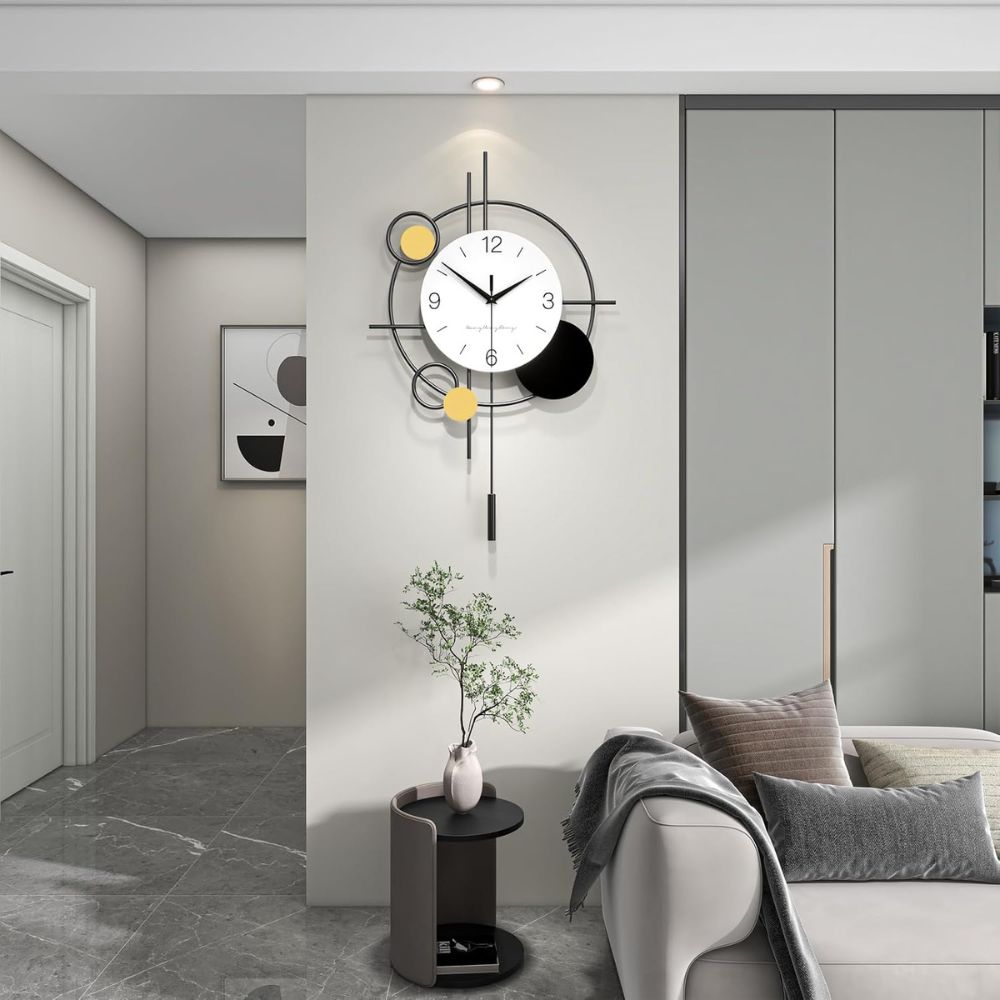
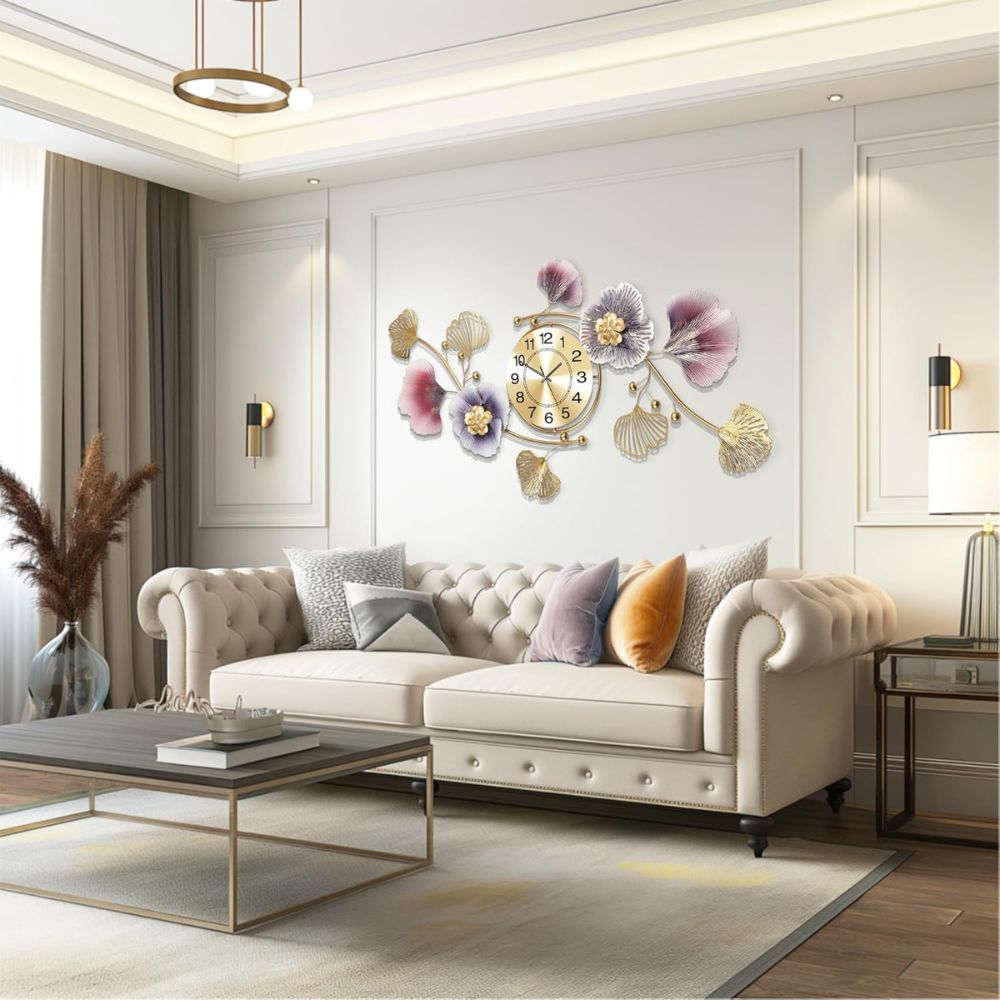
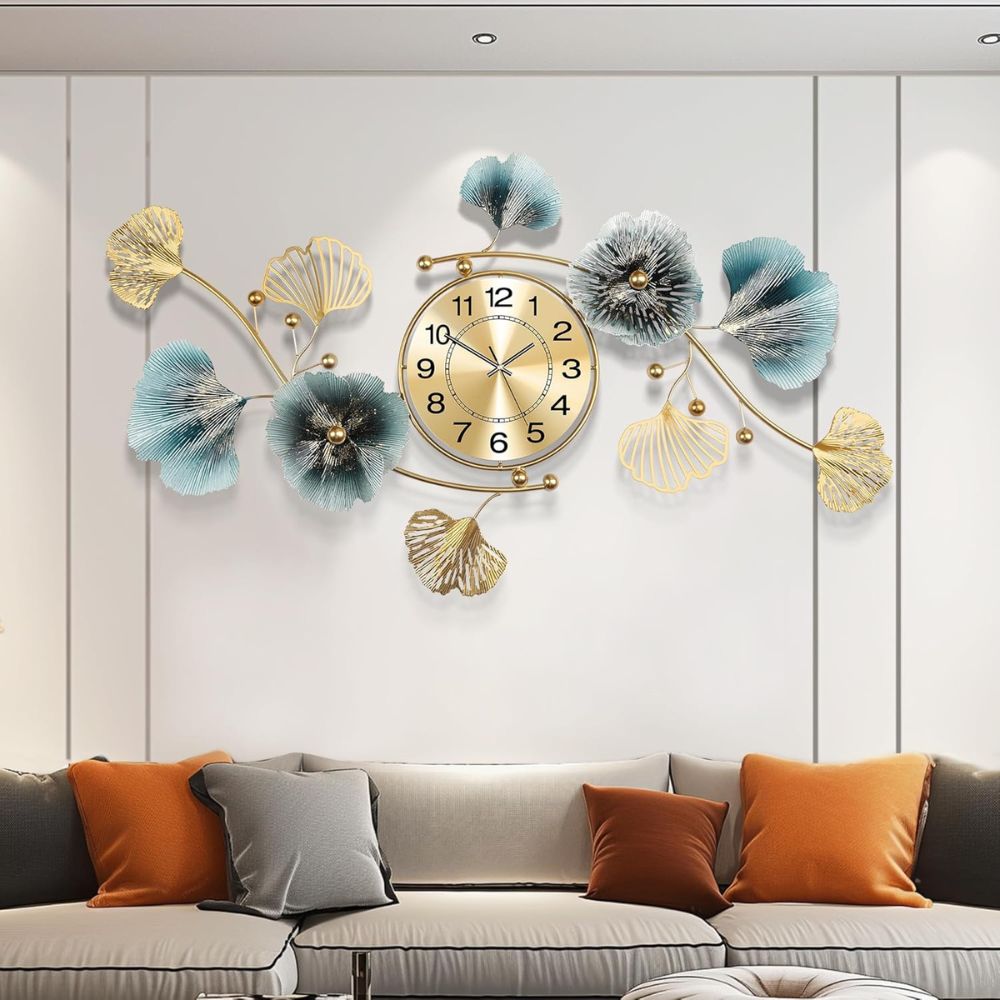
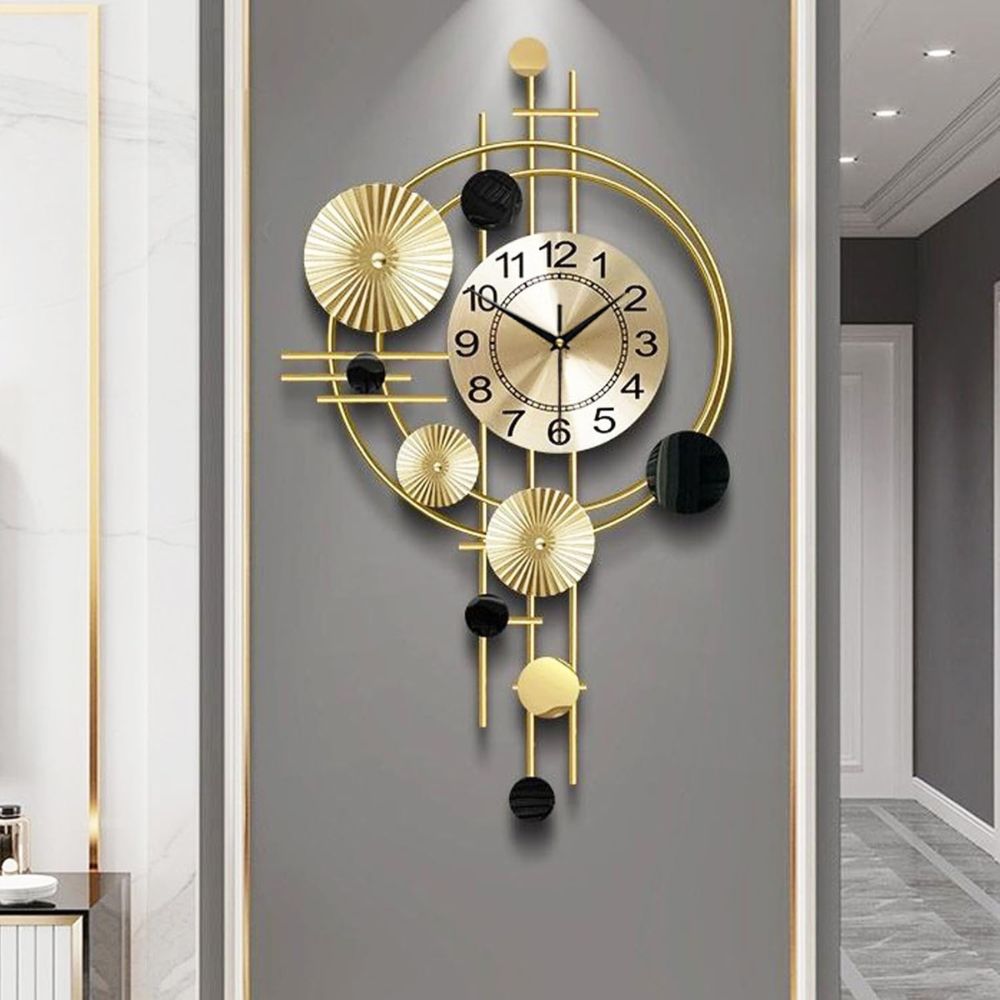
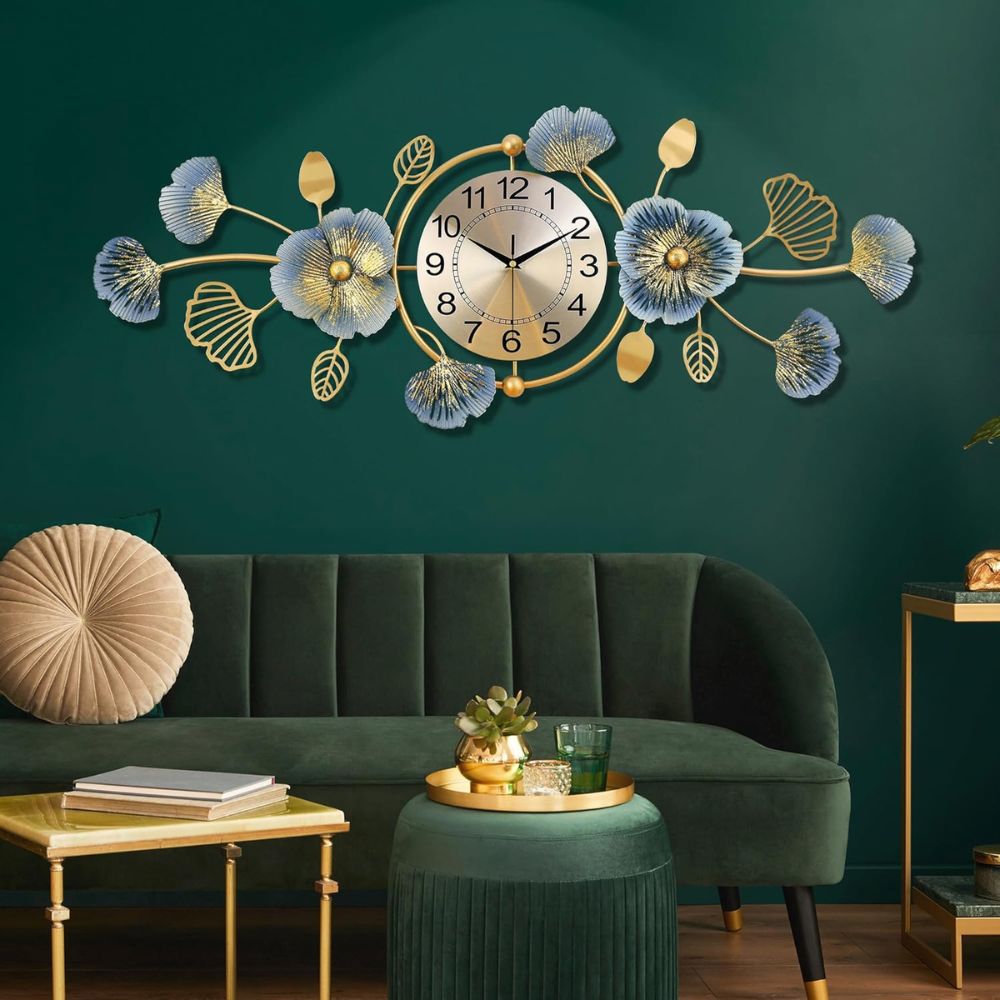
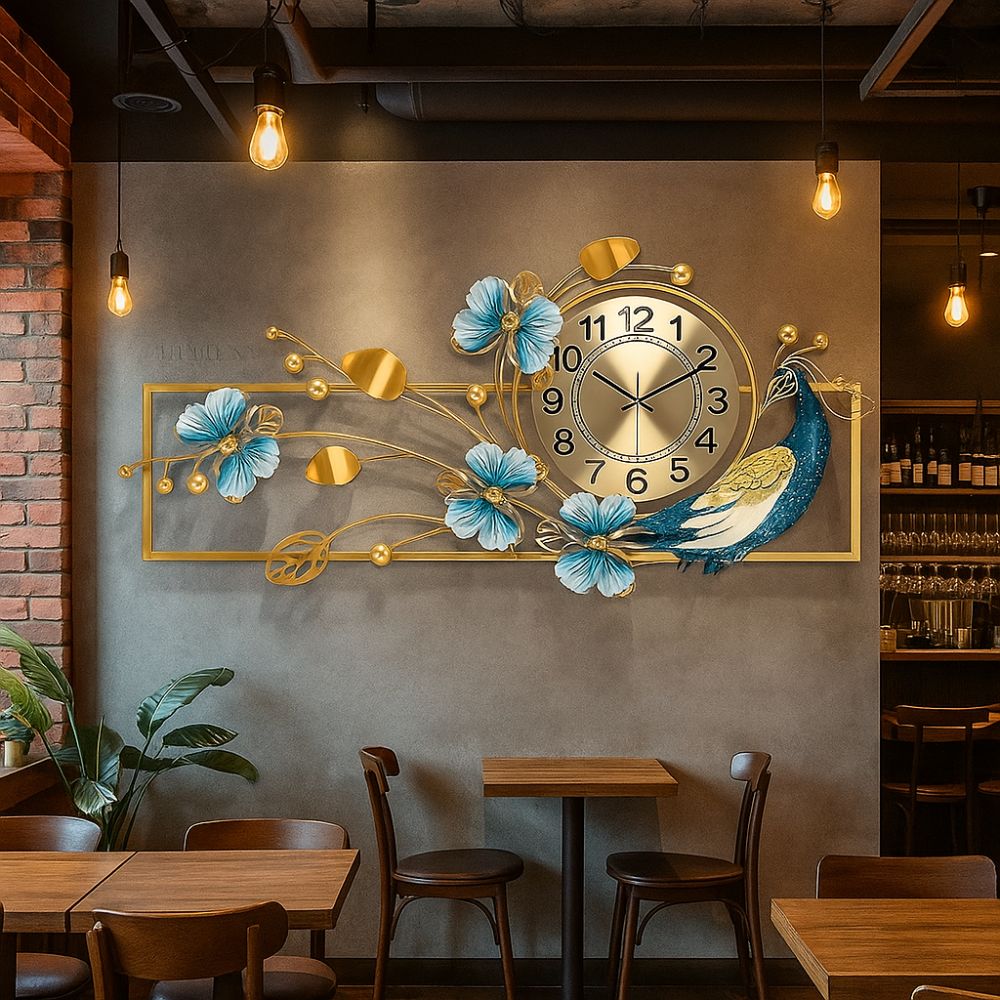
In every home, certain objects quietly influence daily life without us even realising it. A wall clock is one such element. We look at it multiple times a day, depend on it for routine and subconsciously connect it with urgency, discipline and progress. According to Vastu Shastra, a wall clock is not just a time-telling accessory, it is a symbol of the movement of life itself.
When placed correctly, a wall clock supports growth, stability and mental clarity. When placed incorrectly, it can silently invite delays, confusion, stress and a feeling that “things are not moving forward.” That is why understanding the best wall clock placement according to Vastu Shastra is essential, especially if you want a home that feels positive, organised and energetically balanced.
This detailed guide will help you understand the best wall clock for home, the best direction for wall clock, which wall is best for wall clock, where to hang the wall clock in the living room and which direction should the wall clock face, all explained in a simple yet deep manner.
Quick Vastu Summary
According to Vastu Shastra, a wall clock should ideally be placed on the north or east wall, should always be in working condition and should have a calm, balanced design. Avoid placing wall clocks in the south direction, above doors, or in a broken or stopped state, as they symbolise delays and blocked energy.
Correct Wall Clock Placement in Vastu Shastra: Why It Matters
Vastu Shastra views time as a form of dynamic energy. Anything that represents time must support smooth movement. A wall clock constantly reminds the mind about progress, deadlines and structure. This is why its placement directly affects how smoothly life flows inside a home.
A correctly placed wall clock creates a sense of order. People living in such homes often feel more disciplined, organised and focused. Tasks get completed on time, decisions feel clearer and there is less mental clutter. On the other hand, a stopped or wrongly placed clock reflects durability. Even if everything else in the house is perfect, this one mistake can disrupt balance.
This is the reason Vastu experts often say: “If time is aligned, life aligns automatically.”
How to Place a Wall Clock According to Vastu: Direction & Colour
Best Direction for Wall Clock as per Vastu
The north direction is considered the most auspicious direction for wall clock placement. This zone is governed by Lord Kubera, who represents wealth, prosperity and opportunities. When a wall clock is placed in the north, it symbolically supports timely income, career growth and smooth professional progress.
Homes with wall clocks in the north direction often experience fewer delays in work, better financial planning and improved focus. If you are searching for the best direction for wall clock, the north direction should always be your first choice.
The east direction is the second most favourable option. Ruled by the Sun, the east symbolises energy, discipline and new beginnings. A wall clock placed here helps create a structured routine, promotes positivity and supports good health. People who wake up early and follow disciplined lifestyles often benefit from east-placed clocks.
If you are unsure which direction is best for wall clock, remember this simple Vastu rule:
North for progress, East for positivity.
Wall Clock Colour According to Vastu Shastra
Colour has a psychological and energetic impact. A wall clock’s colour should never overpower the space or create mental heaviness.
For clocks placed on the north wall, light colours such as white, silver, cream, or light grey are ideal. These colours enhance clarity and support financial stability.
For the east wall, green shades or natural wooden finishes work beautifully. Green represents growth and balance, while wood symbolises stability and natural flow.
Avoid dark colours like black, dark brown, or deep red for wall clocks, especially in living rooms. Such colours can create pressure, restlessness and imbalance, even if the design looks attractive.
Wall Clock Direction in Vastu Shastra for Long-Term Balance and Growth
While north and east are favourable, certain directions should strictly be avoided.
The south direction is not suitable for wall clock placement. In Vastu Shastra, this direction is associated with heavy and restrictive energy. A clock placed here may lead to delays, reduced motivation and a feeling of being stuck despite effort.
The west direction is also not recommended for main living spaces. While it may not cause immediate issues, it can slowly reduce momentum and growth over time.
Many people also ask which direction should wall clock face. Ideally, the clock should be placed where it is easily visible and does not directly face the bed or sit exactly opposite the main entrance. The goal is comfort and balance, not constant pressure.
Which Wall Is Best for Wall Clock Placement?
Choosing the right wall is often ignored, but it plays a crucial role. The wall clock should always be mounted on a solid, stable wall that represents support and continuity.
The best wall for wall clock placement is one that is:
- Clean and clutter-free
- Free from cracks, dampness, or peeling paint
- Not shared with heavy electrical panels
Avoid placing wall clocks on glass partitions, temporary walls, or weak structures. Such placements symbolise instability and weaken the positive impact of even the best wall clock for home.
Also, avoid hanging wall clocks directly above doors or windows. According to Vastu, this symbolises time escaping the home, which can lead to missed opportunities.
Where to Hang Wall Clock in Living Room According to Vastu
The living room reflects the overall energy of the house. It is where guests sit, conversations happen and most daily interactions take place. That is why correct wall clock placement here is extremely important.
When deciding where to hang the wall clock in living room, always prefer the north or east wall. The clock should be placed at a comfortable eye level so that it feels natural to check the time. A clock placed too high or too low creates discomfort and subconscious irritation.
The design of the clock should blend with the décor rather than dominate it. Oversized or extremely bold clocks may look stylish but can create unnecessary pressure in the space.
A stopped or broken wall clock in the living room is considered a major Vastu defect. It reflects blocked energy and should be removed immediately. Loud ticking sounds should also be avoided, as they can increase stress levels without you even noticing.
Best Wall Clock for Home According to Vastu Shastra
The best wall clock for home is one that promotes calmness, balance and continuity. Vastu Shastra prefers round or oval-shaped wall clocks, as they symbolise smooth flow and completeness. Square clocks are acceptable, but sharp, irregular shapes should be avoided.
Material also matters. Wooden wall clocks represent warmth and stability, while metal clocks symbolise precision and discipline. Both are suitable when designed with soft finishes and balanced colours.
Silent or smooth-movement clocks are highly recommended. Constant ticking may seem normal, but over time it creates mental pressure and disrupts peace.
A well-chosen Vastu-approved wall clock enhances both home décor and life rhythm.
At Framing Hub, wall clocks are thoughtfully designed to balance modern home décor with Vastu principles, making it easier to choose a clock that looks elegant and supports positive energy.
Common Wall Clock Vastu Mistakes That Most Homes Make
Many homes unknowingly block positive energy by making small but impactful mistakes. Keeping stopped or damaged clocks, placing clocks in bedrooms directly facing the bed, or hanging them near bathrooms and kitchens are some of the most common errors.
Oversized clocks that dominate a room should also be avoided. Time should support life, not overpower it. Correcting these mistakes often brings immediate relief in mental clarity and emotional balance.
Why Wall Clock Placement Has a Deeper Impact Than You Think
A wall clock constantly communicates with the subconscious mind. It reminds us of time passing, tasks pending and responsibilities waiting. According to Vastu Shastra, when this reminder is aligned with natural energy, life feels smoother and more organised.
People often notice improved productivity, better focus and reduced stress after correcting wall clock placement. This is not a coincidence, it is energy alignment.
When time flows correctly inside a home, opportunities arrive on time too.
FAQs
The north direction is the most auspicious, followed by the east direction, as both support growth and positivity.
The wall clock should be placed on the north or east wall of the living room at eye level and should always be working.
A solid, clean and clutter-free wall in the north or east direction is ideal.
The clock should be easily readable and should not directly face the bed or main entrance.
Round or oval wall clocks in light colours with silent movement are considered best.